Skip to content
Powerpoint presentation

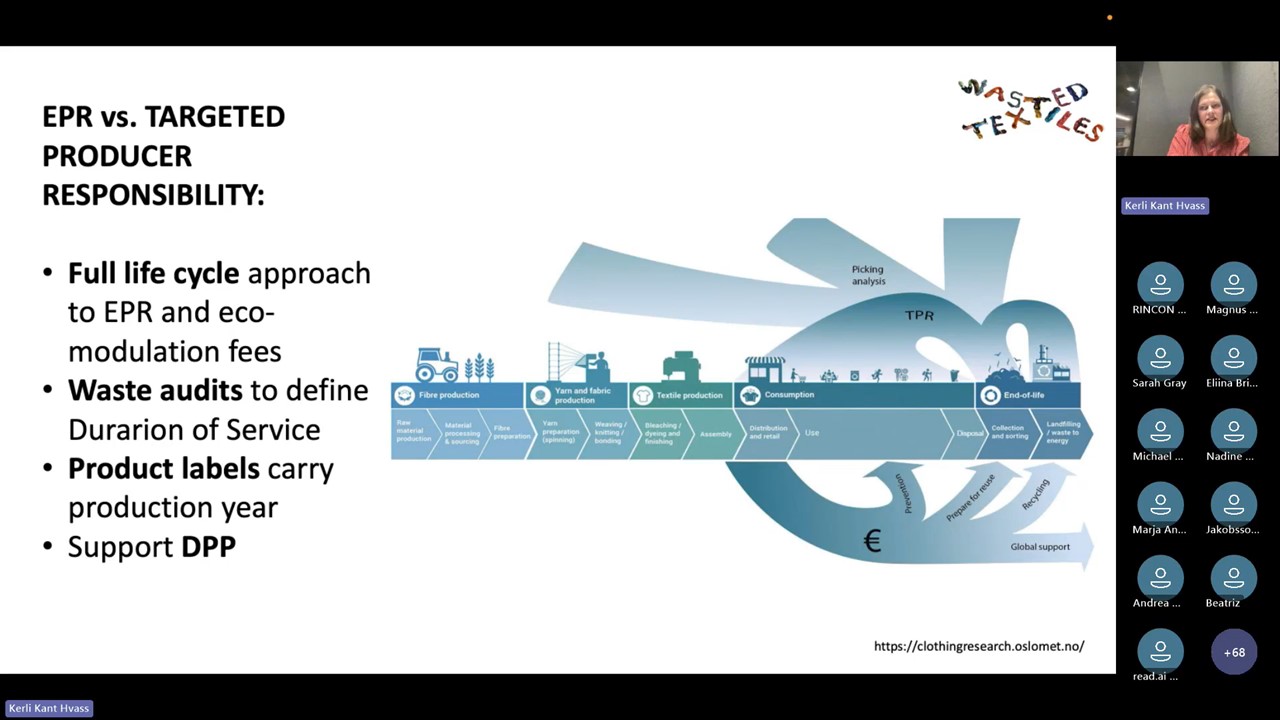
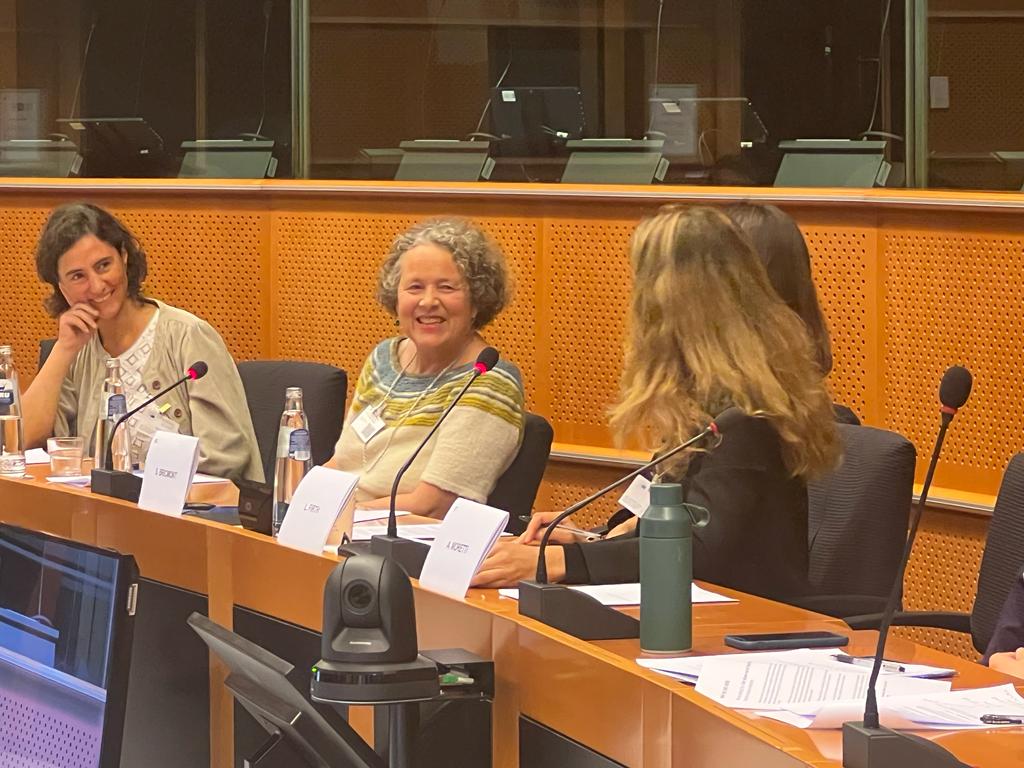
TPR gets some serious airplay

Volumes, policy measures and Targeted Producer Responsibility all fitted into discussions the week before Easter, where some of us jumped back and forth between Webex, Zoom and Teams, recordings and live webinars. The take-aways are… TPR gets some serious airplay

Ethnographic Wearing

Author: Joshua M. Bluteau, UK, Coventry University, Social Anthropologist, @anthrodandy Aim of study This method was developed as part of a broader research project catalogued in the book ‘Dressing Up’ (Bluteau, 2022). During this period,… Ethnographic Wearing

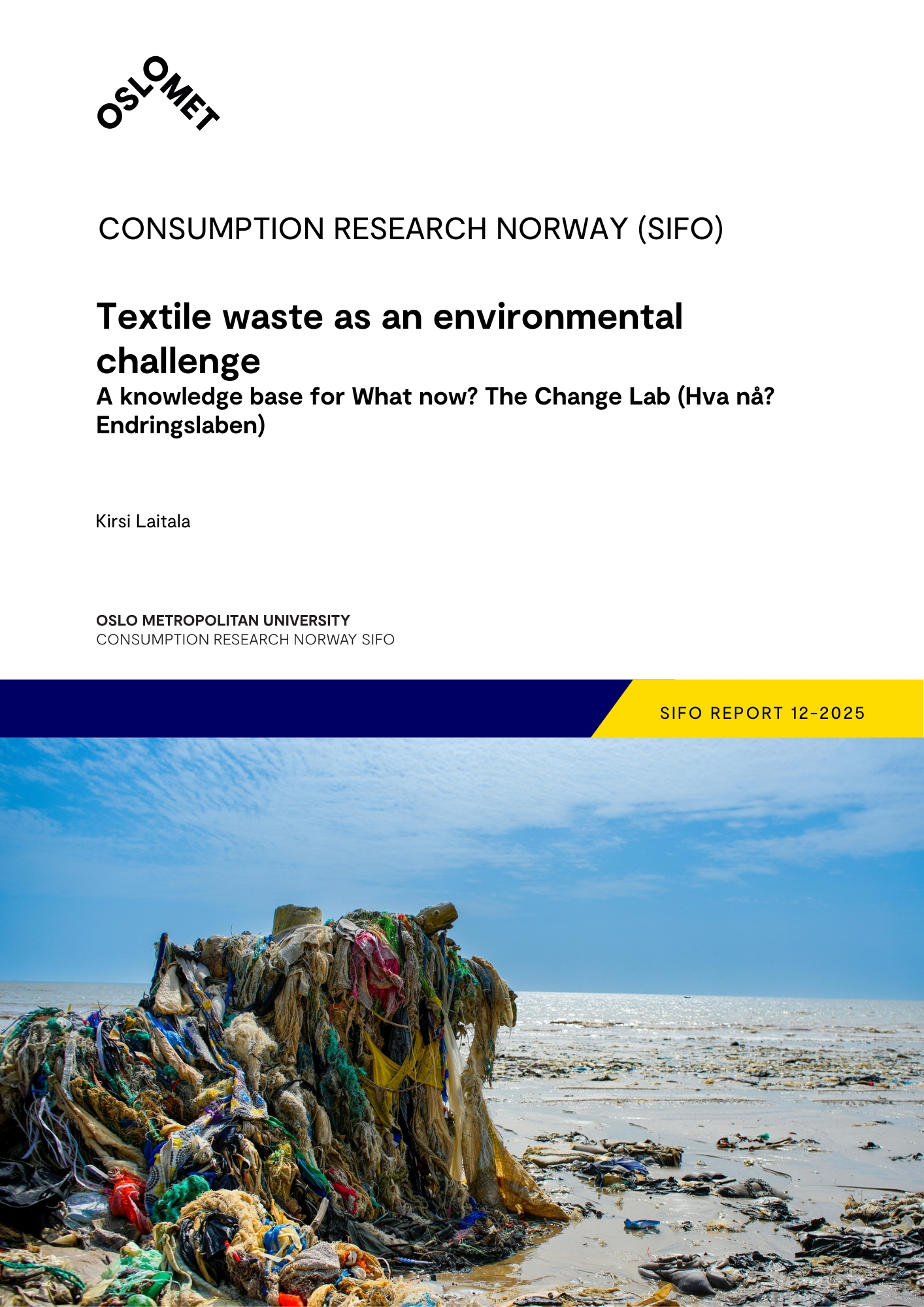
Textile waste piled high

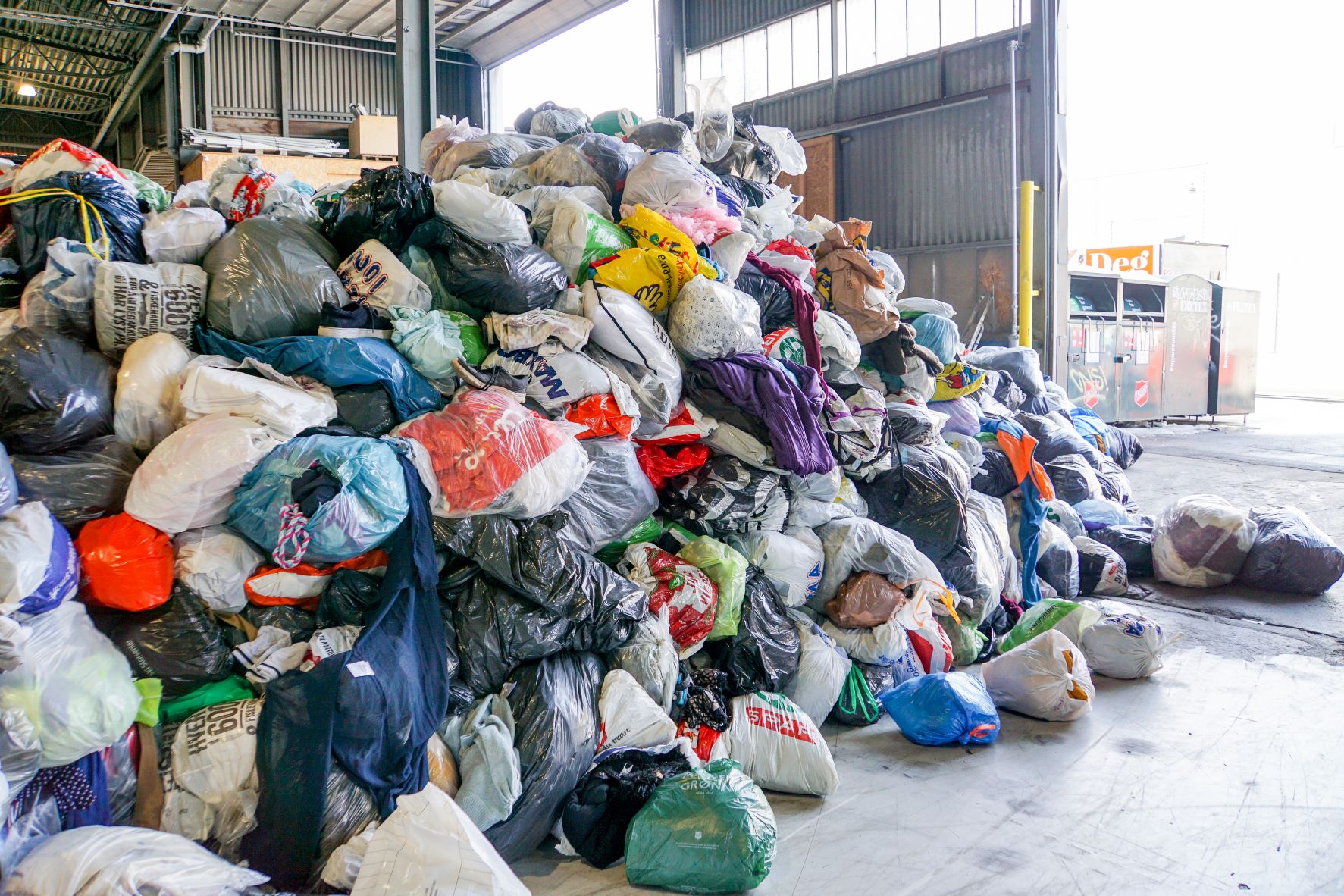
EU wants data on textile waste, and we have the answer

(…) we have found that food offers us two good guiding principles.
The first one is to eat up what is on your plate. The second is waste audits as a means to gain meaningful knowledge on what gets “eaten up” and what doesn’t.

Consumer practices for extending the social lifetimes of sofas and clothing

Consumers play an essential role in efforts to extend product lifetimes (PL) and consumers’ practices can determine how long and active lives products get. Applying the framework of Social Practice Theory, this paper argues that in order to suggest changes to how consumers can contribute to longer product lifespans, research needs to focus on consumer practices. The data material consists of 4 focus group interviews with 38 participants about household goods and 29 semi-structured interviews about clothing.

Previous research shows that consumers’ expectations of product lifetime has decreased, while satisfaction with products is relatively high, which may indicate that product break down and/or replacement is more accepted. Therefore, we argue, it is necessary to focus on social lifespans. Our findings show that products such as clothing and sofas often go out of use or are disposed of before their physical lifespan ends, and it is more common to donate or sell old clothing and sofas than buying the products second hand. There are a number of routinised practices, such as disposal of functional items, that are considered normal, which leads to less reflexivity of seemingly unsustainable practices.