Presentation of preliminary findings from the Wasted Textiles PhD project
March 14th, 2023, 10 am to 12 noon. Athene 1 (auditorium), Pilestredet 46, OsloMet.
March 14th, 2023, 10 am to 12 noon. Athene 1 (auditorium), Pilestredet 46, OsloMet.
For LCA-based tools and category rules, there is a central idea of a “functional unit”. How this will function in the ongoing work with EU’s PEFCR (Product Environmental Footprint Category Rules), is based on the…
The CHANGE masterclass seminar held at the Royal Danish Academy in Copenhagen September 30th 2022 hosted another interesting occasion. This was the launch of KLOTHING – Centre for Apparel, Textiles & Ecology Research. The first…
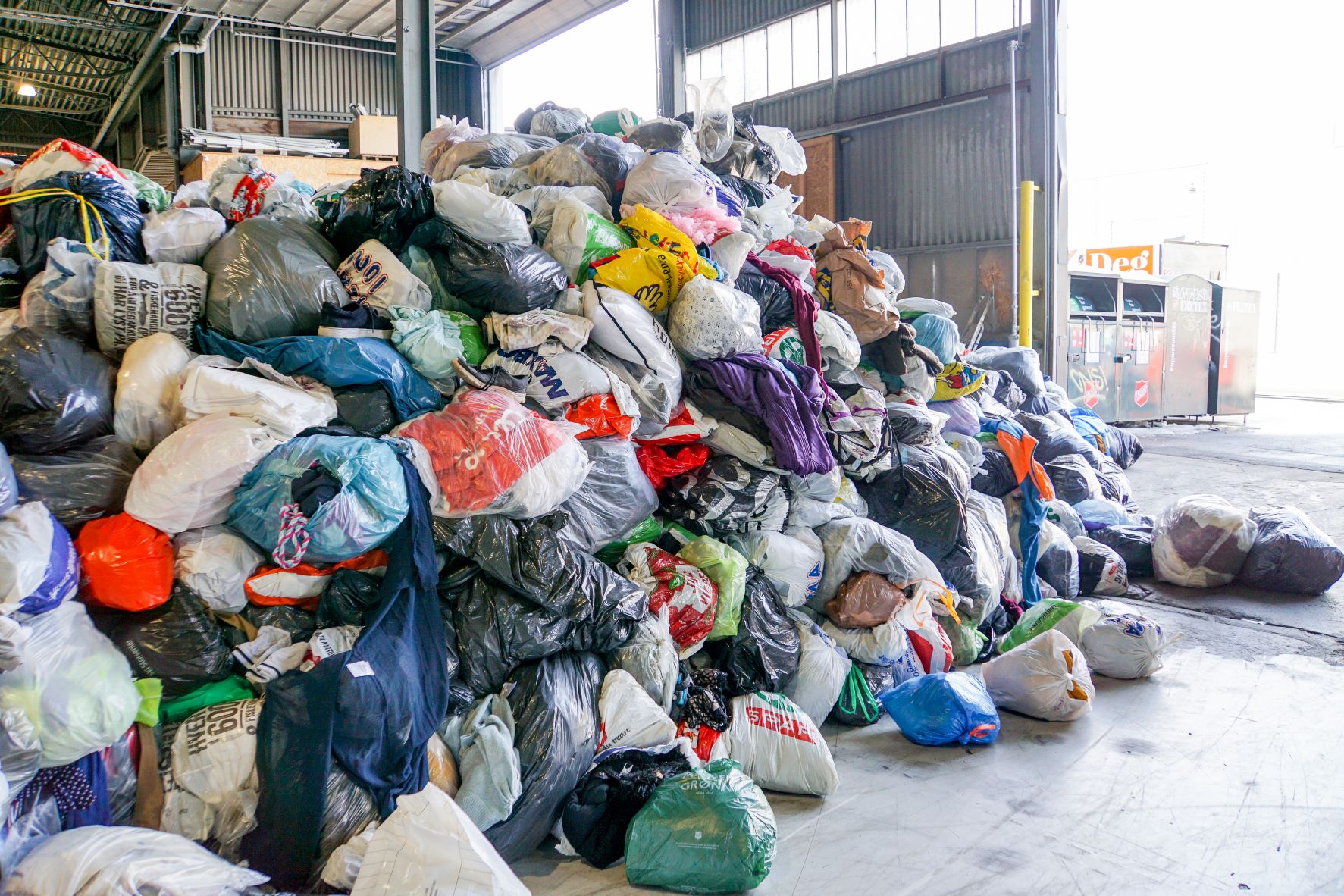
We throw away enormous amounts of clothing, and most of it contains polyester and other plastics. We need more knowledge to be able to meet the new EU requirement for separate textile collection by 2025,…
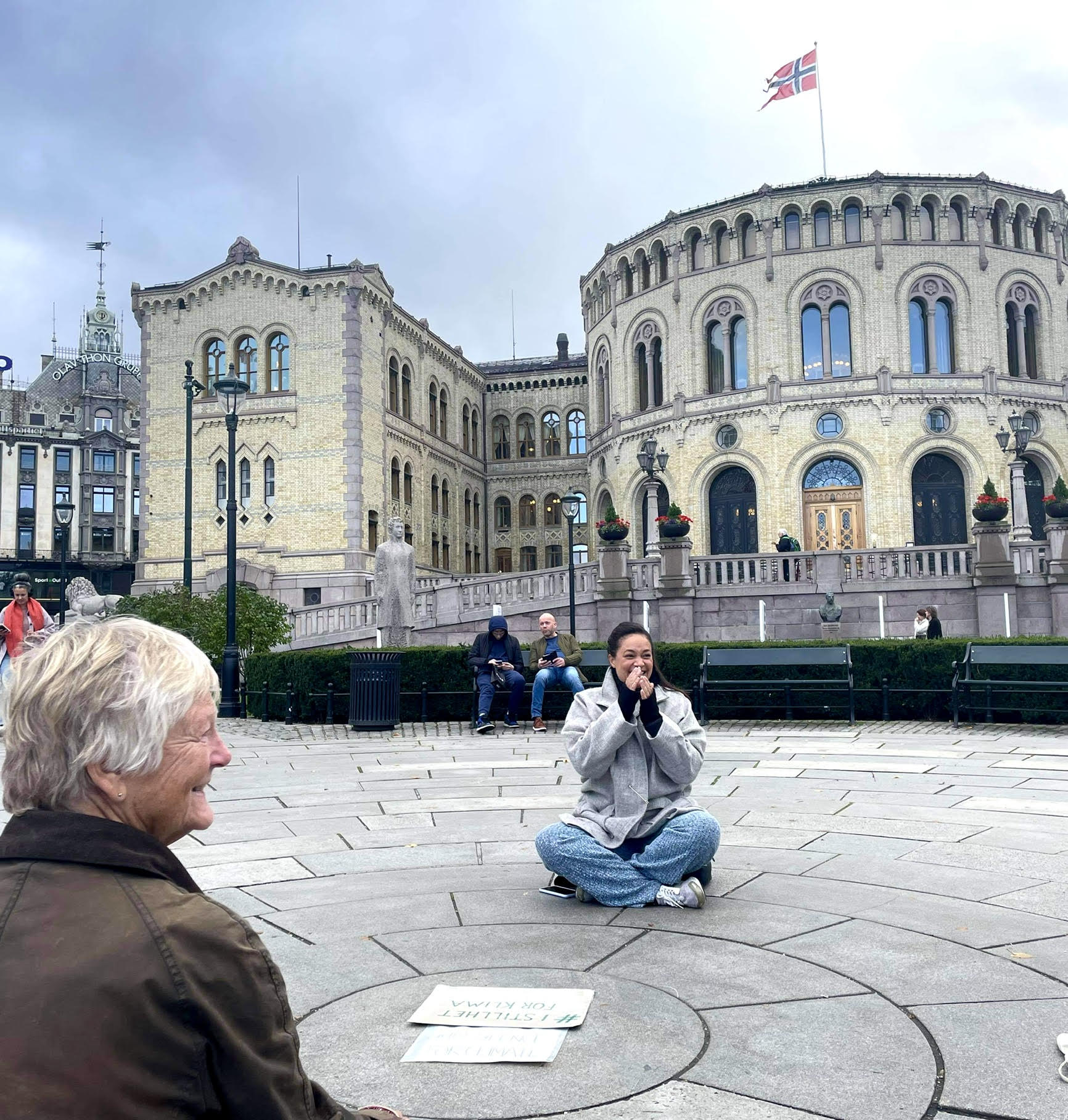
Fashion met cultural history in the project VikingGold, and the two were woven together into a beautiful wool fabric, that found its way to museum exhibits and Norwegian national tv as the most sustainable fabric…
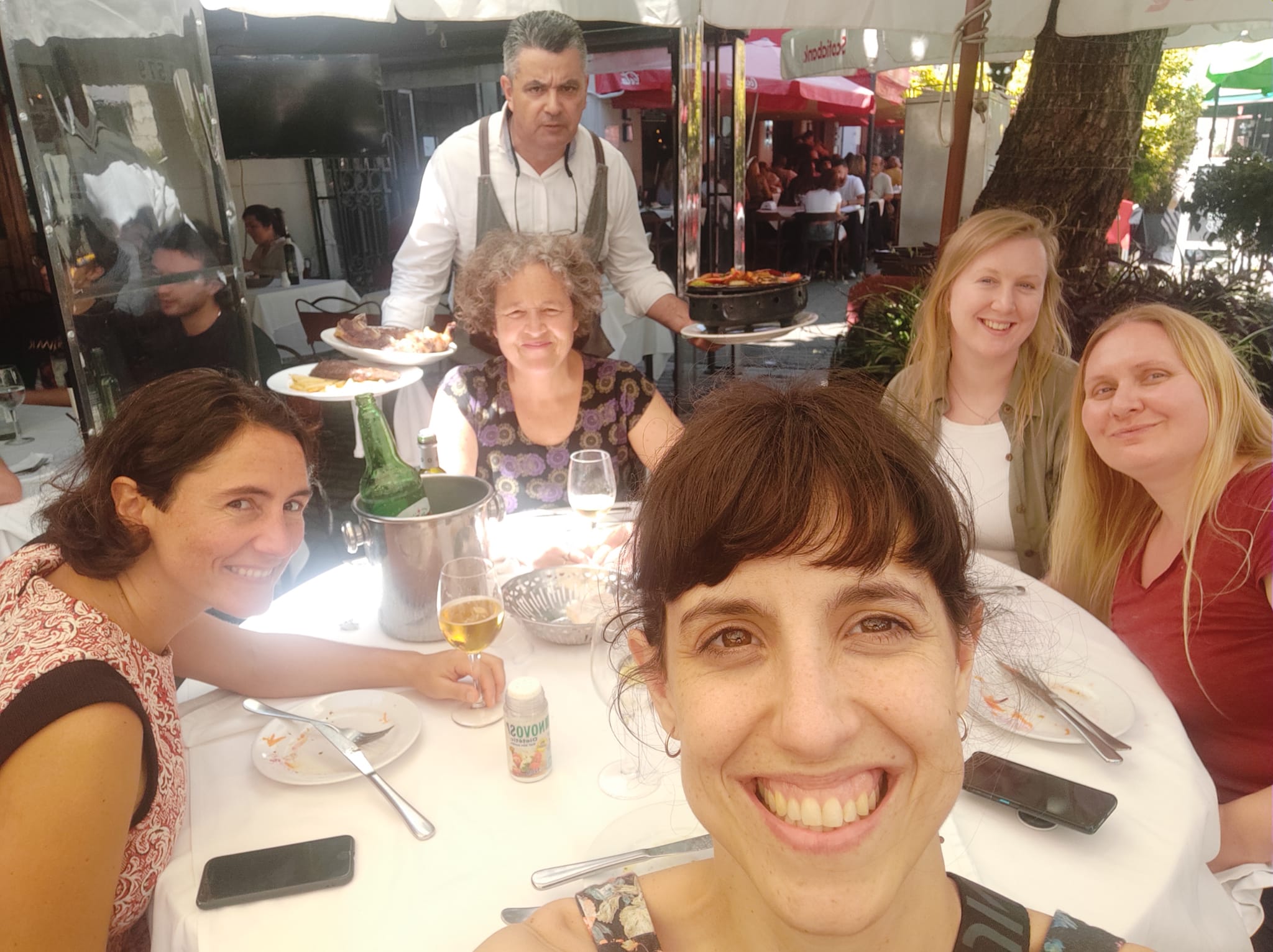
In the middle of Advent 2022, Vilde, Kirsi and Ingun traveled to Uruguay. Irene was already there with her family, and the trip was well planned in collaboration with Irene, who lives in Portugal, but…
The Clothing Research Group, SIFO at OsloMet, has contributed to the recent Hot or Cool Institute report Unfit, Unfair, Unfashionable: Resizing Fashion for a Fair Consumption Space (download the report from Hot or Cool here).…
Most studies of clothing and related habits are carried out within a country. However, apparel production and sales are a highly globalized industry, with many of the same large chains operating worldwide. It is thus…

Increasing the length of clothing lifespans is crucial for reducing the total environmental impacts. This article discusses which factors contribute to the length of garment lifespans by studying how long garments are used, how many…
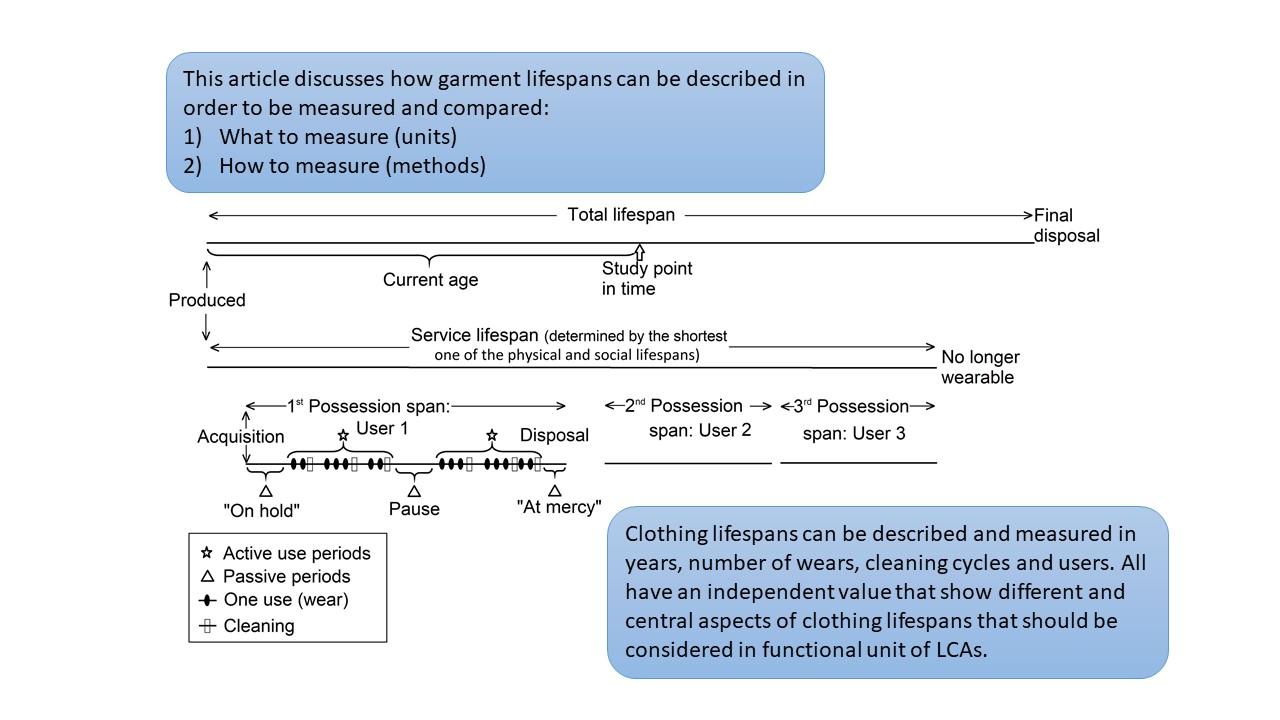
Increasing the use of each product, most often called longer lifespans, is an effective environmental strategy. This article discusses how garment lifespans can be described in order to be measured and compared. It answers two…
This article discusses the extent it is possible to delay clothing disposal through improved design, thus reducing negative environmental impacts. This has been done by including user centered design methods into more traditional quantitative consumer…