
A functioning ‘functional unit’?
Ingun Grimstad Klepp and Tone Skårdal Tobiasson What on earth is the functional unit of a winter coat, t-shirt, a warm sweater… or a pair of boots? For LCA-based tools and category rules, there is…
Ingun Grimstad Klepp and Tone Skårdal Tobiasson What on earth is the functional unit of a winter coat, t-shirt, a warm sweater… or a pair of boots? For LCA-based tools and category rules, there is…
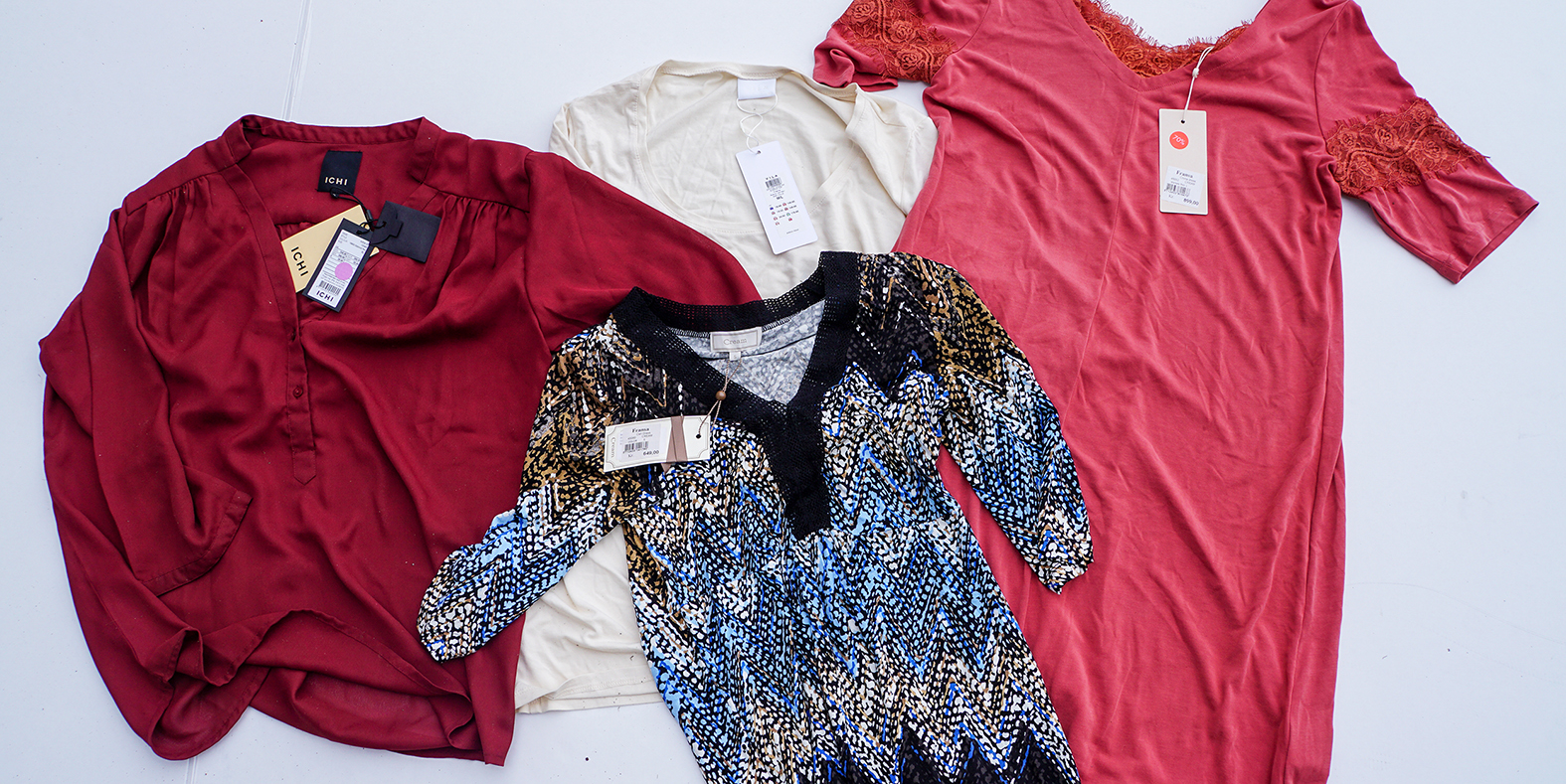
This is a letter sent to commissioners and members of the European Commission in October 2022, from 4 participants in the Wasted Textiles project that explains their suggestions for a way of developing an EPR…
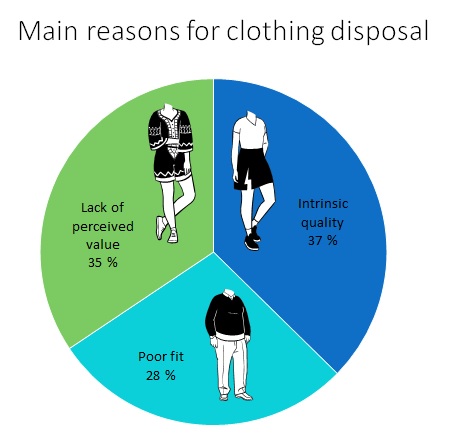
Authors: Kirsi Laitala and Ingun Grimstad Klepp, SIFO Abstract Garment lifetimes and longer serviceable life play important roles in discussions about the sustainability of clothing consumption. A compilation of the research on clothing disposal motivations…

Authors: Vilde Haugrønning, Ingun Grimstad Klepp and Anna Schytte Sigaard Norway leads the way in methods for studying the use of clothing. This is knowledge that is important in sustainability studies of apparel. How many…
Make the Label Count Campaign: Simon J. Clarke, Ingun G. Klepp, Kirsi Laitala and Stephen G. Wiedemann. Summary Sustainability has become a priority objective for the European Union (EU). It is a key driver for…
Katarzyna Kobiela-Mendrek, Marcin Bączek, Jan Broda, Monika Rom, Ingvild Espelien and Ingun Klepp Abstract Wool of mountain sheep, treated nowadays as a waste or troublesome byproduct of sheep husbandry, was used for the production of…
The textile industry is characterized by global mass production and has an immense impact on the environment. One garment can travel around the world through an extensive value chain before reaching its final consumption destination.
Consumers’ textile care practices today are characterized by frequent laundering. The importance of the removal of odours has increased, especially the smell of sweat. This chapter summarizes knowledge about removing odour from textiles.
Human olfaction sense is one of the highly underestimated senses since historical times. Fortunately, this has changed in recent times, as the perception of odour or scent by people has received increasing attention through several…
Anna Schytte Sigaard, Lisbeth Løvbak Berg and Ingun Grimstad Klepp Summary This report gives an overview of the market for alternative wool products with the perceived potential to be made using vacant wool. The work…
Parents are faced with a plurality of choices and concerns when it comes to the acquisition of clothing for their children. This paper explores how parents employ longevity in consumption of children’s clothing from a…
Consumers play an essential role in efforts to extend product lifetimes (PL) and consumers’ practices can determine how long and active lives products get. Applying the framework of Social Practice Theory, this paper argues that…