A full PLATE with a 7-course SIFO menu
Holding on or letting go? Why don’t consumers complain more? Why do we hang on to stuff that is flawed? How to make fast fashion out of fashion and actually degrow the textile sector? All…
Holding on or letting go? Why don’t consumers complain more? Why do we hang on to stuff that is flawed? How to make fast fashion out of fashion and actually degrow the textile sector? All…
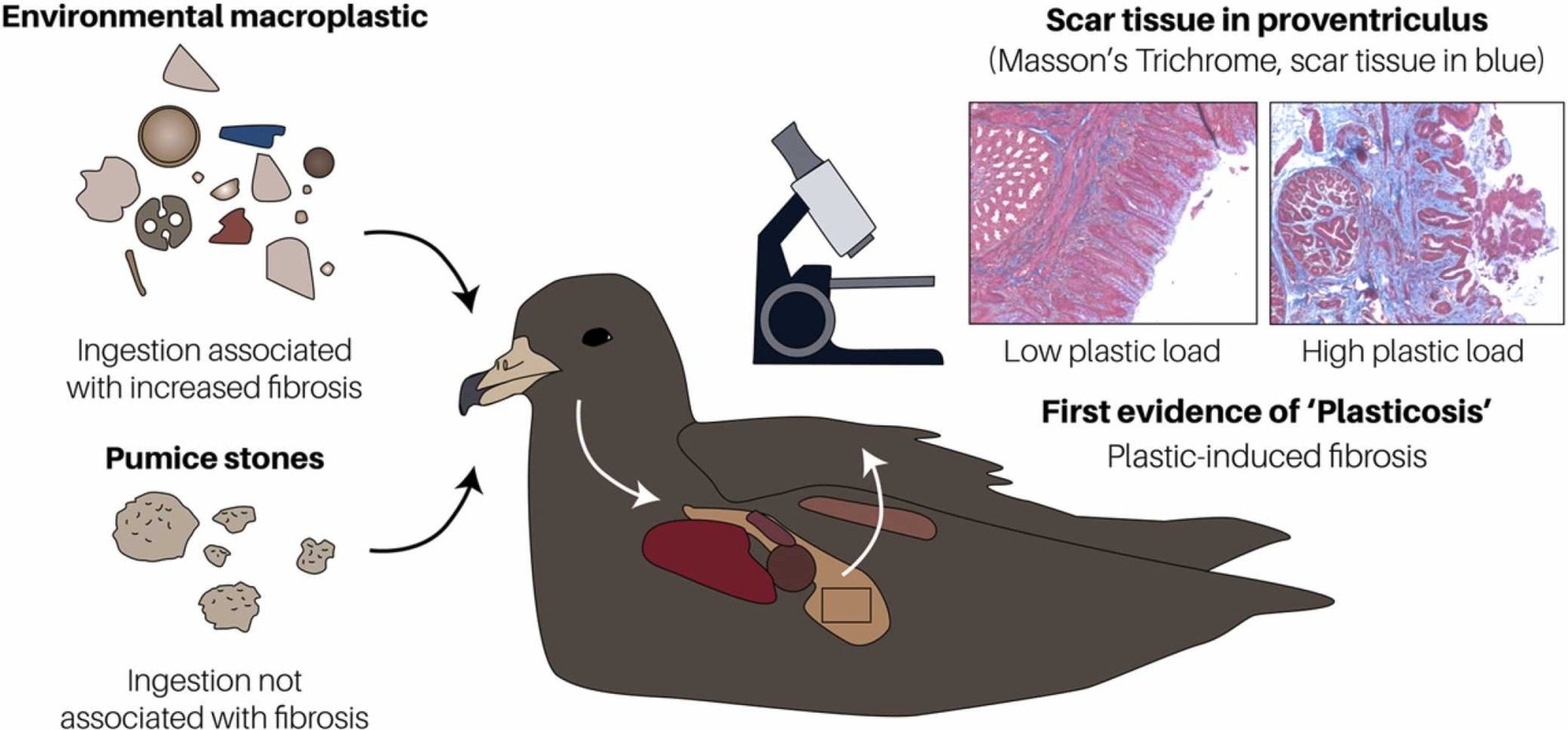
OPINION: What we do know, is that all synthetic clothing and materials, sooner or later, will become microplastics, a «time-delayed» pollution bomb. And thus, they will ultimately become a problem for seabirds, and us. A…
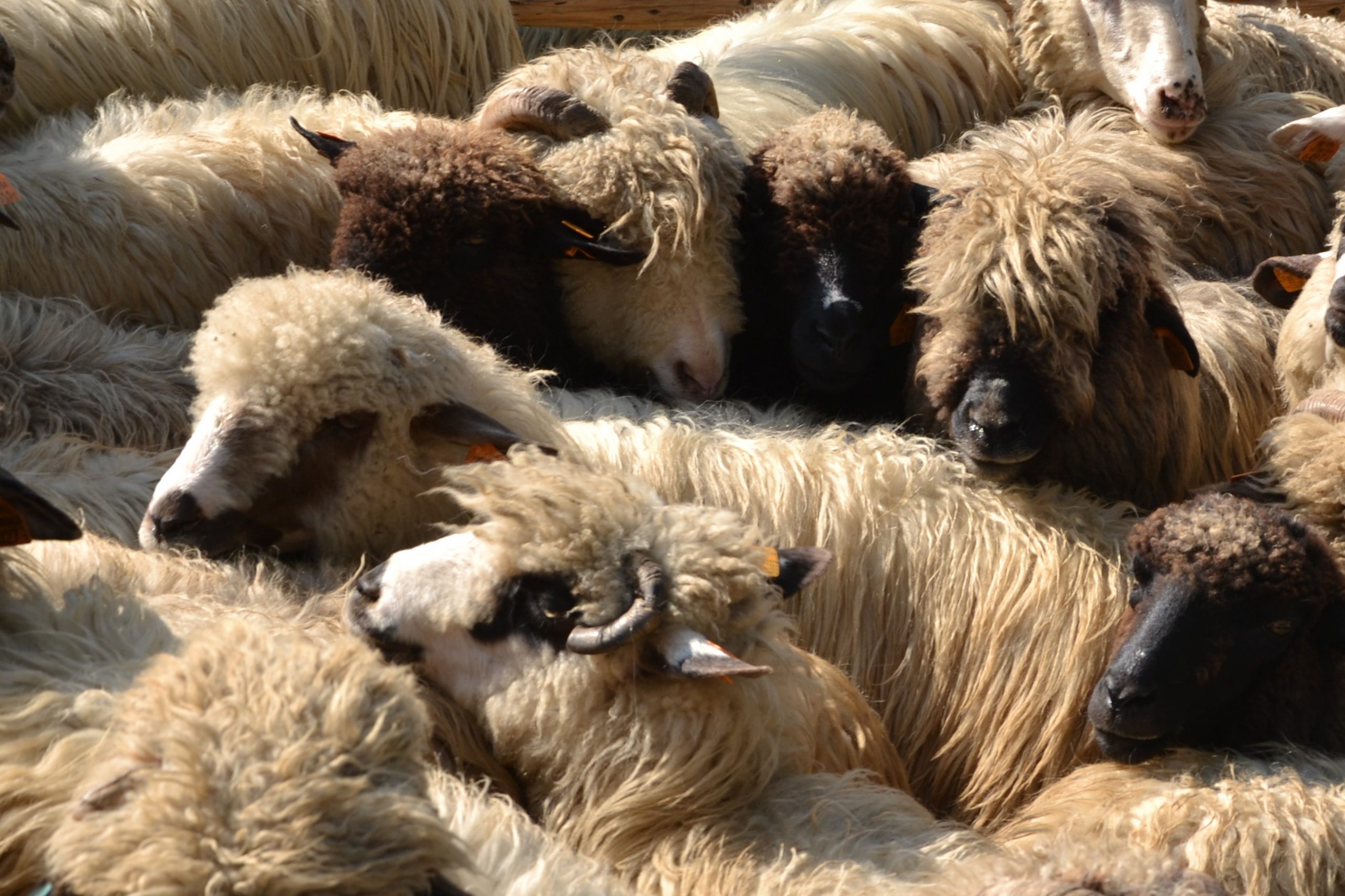
It turns out that Polish mountain sheep wool can be successfully used as a nitrogen-rich, organic fertilizer in organic farming. This enables utilization of coarse wool, which is not suitable for textile processing, to be…
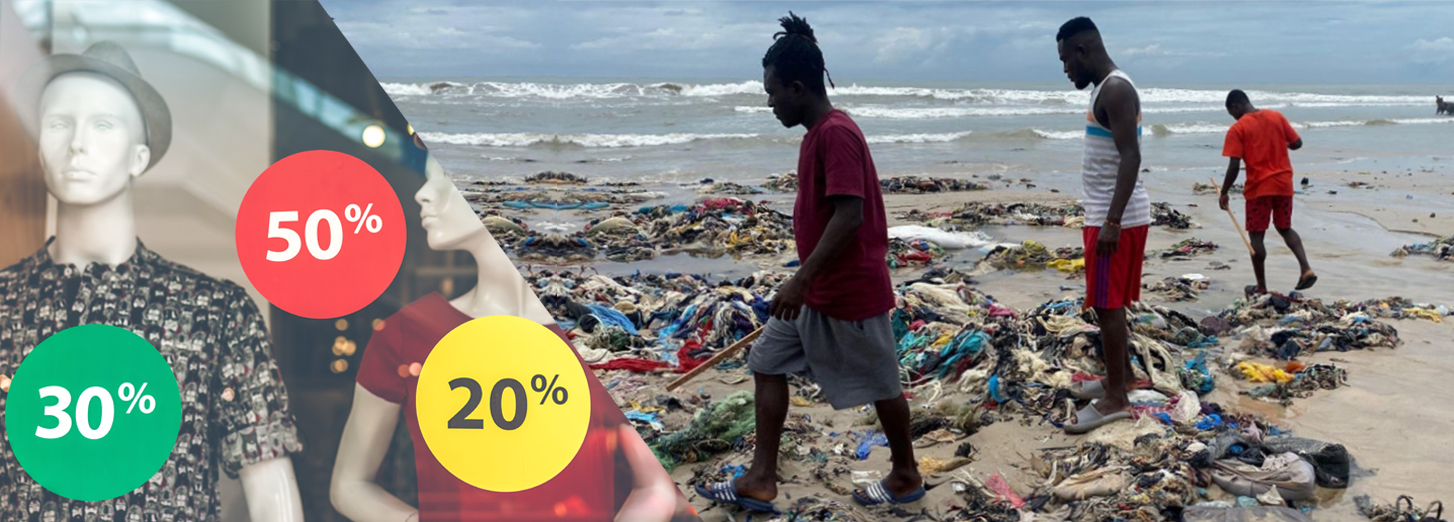
During a meeting earlier this year with a team from the European Commission Executive Vice-President for the European Green Deal, Frans Timmermans’ office, the authors of this new paper were asked to supply more background…
This week saw the publication of a critical background paper on concerns surrounding the Product Environmental Footprint Category Rules for Apparel and Footwear from a consortium representing the collaborative international research project Wasted Textiles at Consumption Research Norway SIFO at Oslo…
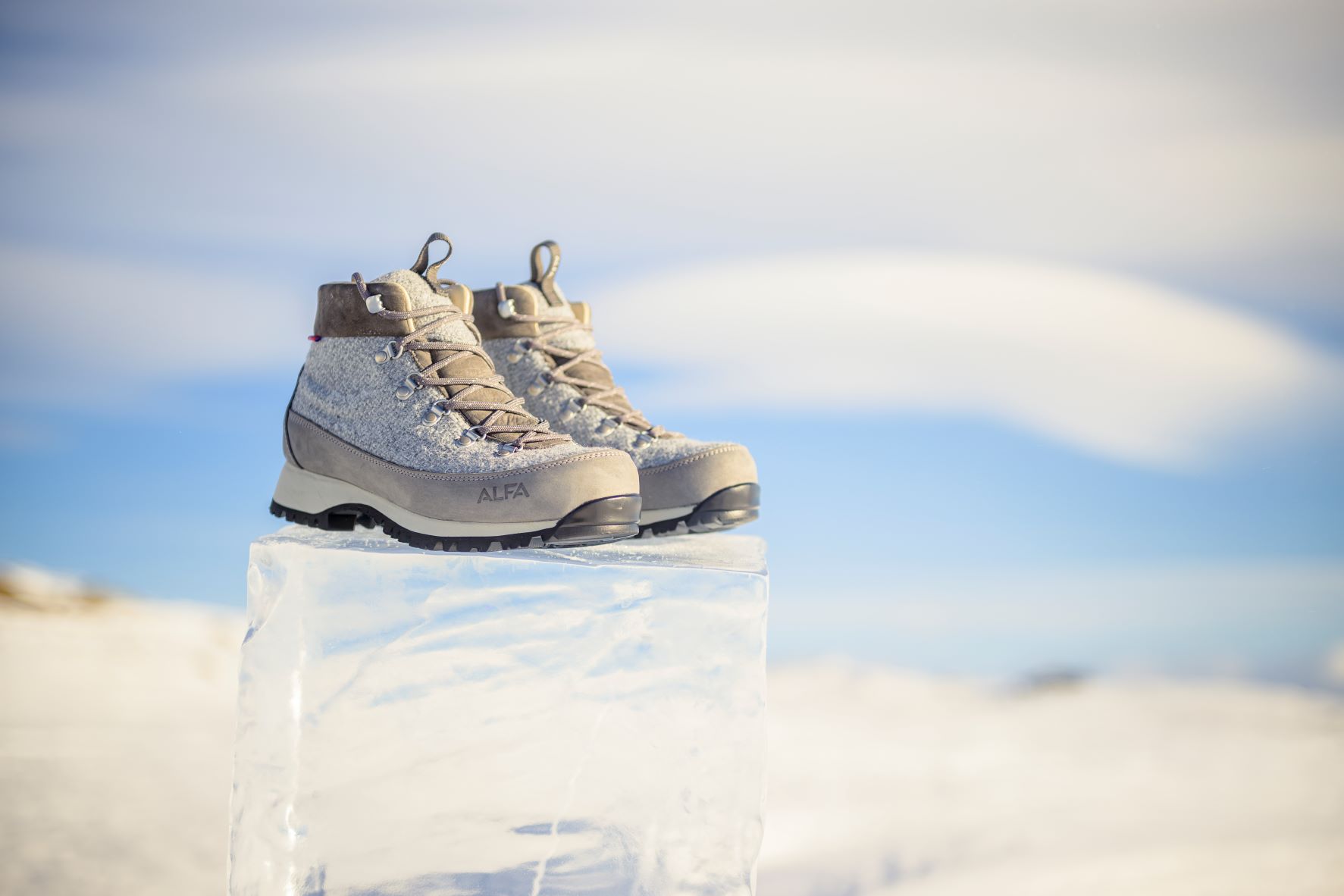
Two articles from Clothing Research at Consumption Research Norway have been accepted by the journal Fibers and are accessible online. The two articles are entitled Reducing plastic: Opportunities and obstacles for coarser wool in consumer…
For LCA-based tools and category rules, there is a central idea of a “functional unit”. How this will function in the ongoing work with EU’s PEFCR (Product Environmental Footprint Category Rules), is based on the…
In the middle of Advent 2022, Vilde, Kirsi and Ingun traveled to Uruguay. Irene was already there with her family, and the trip was well planned in collaboration with Irene, who lives in Portugal, but…
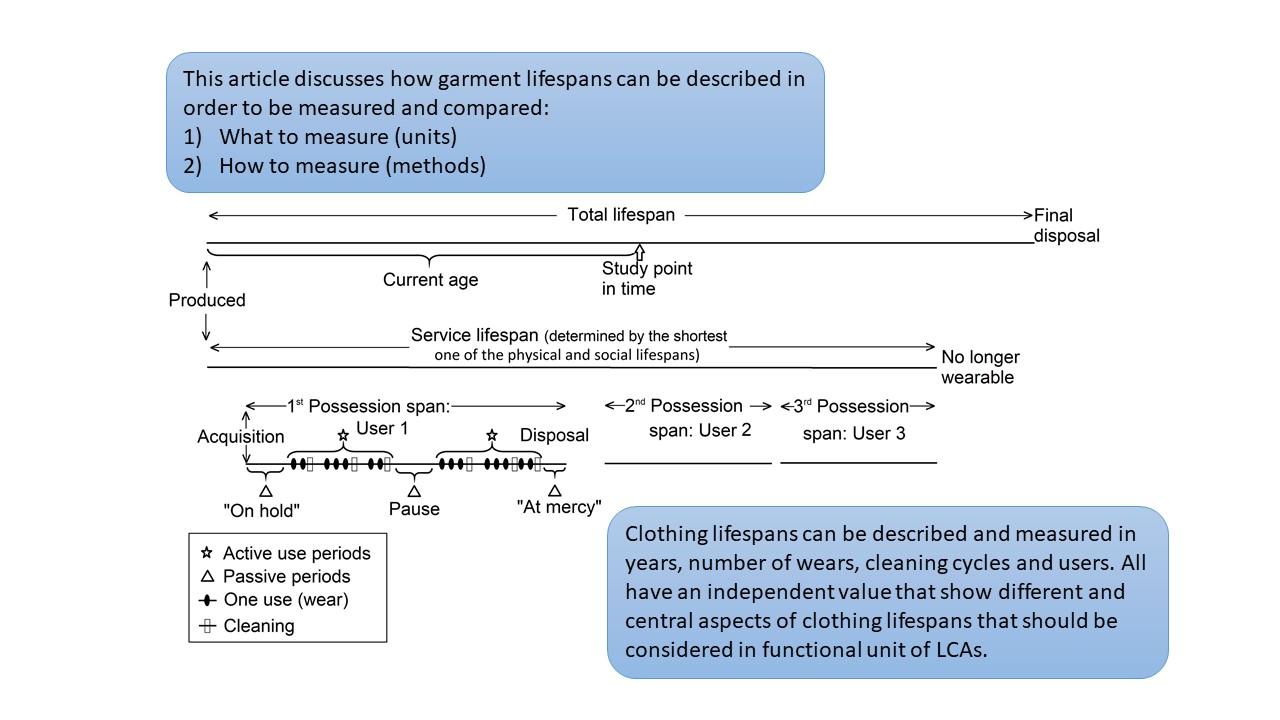
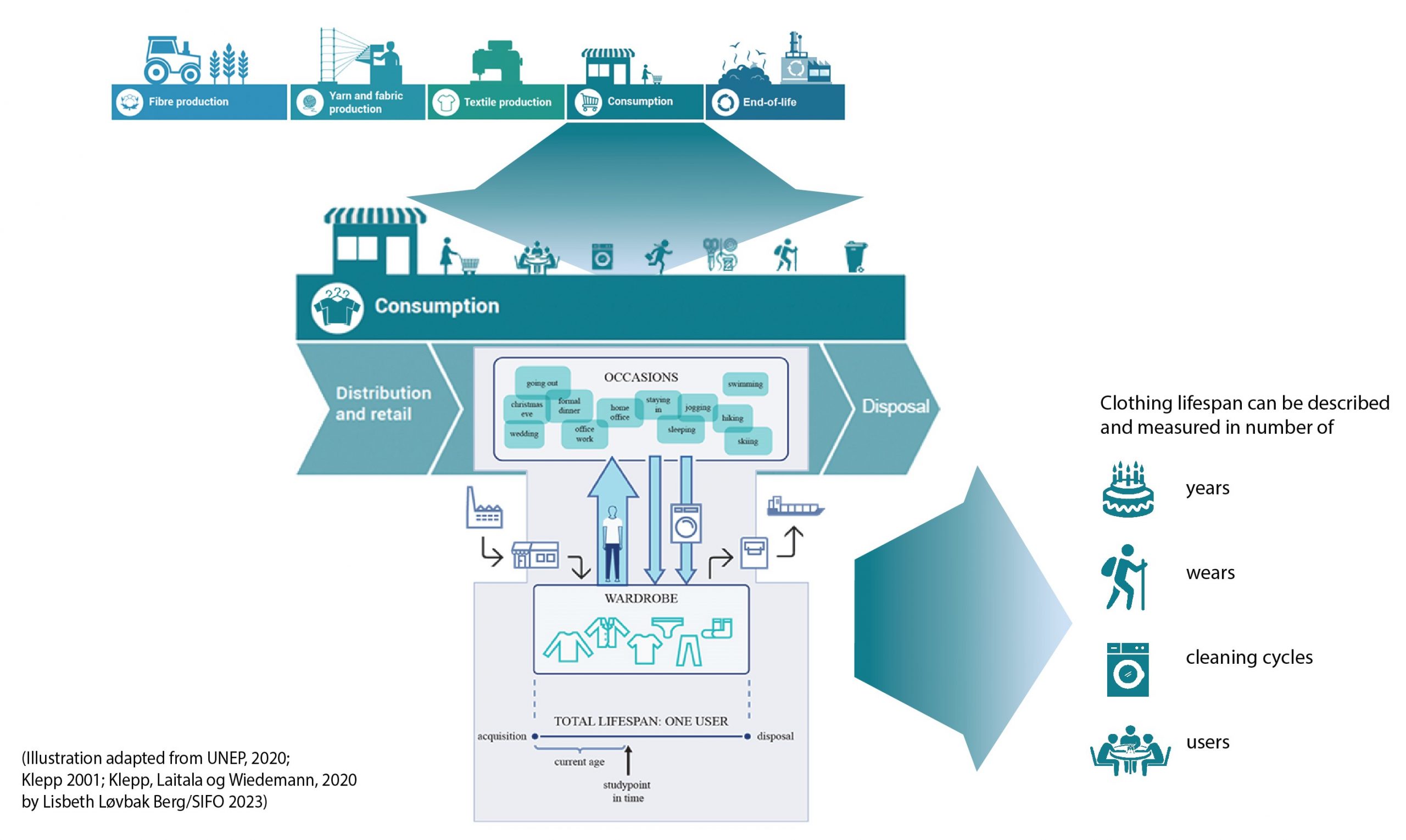
Increasing the use of each product, most often called longer lifespans, is an effective environmental strategy. This article discusses how garment lifespans can be described in order to be measured and compared. It answers two…
The textiles industry is a substantial contributor to environmental impacts through the production, processing, use, and end-of-life of garments. Wool is a high value, natural, and renewable fibre that is used to produce a wide…
Several tools have been developed to compare the environmental impact of textiles. The most widely used are Higg Materials Sustainability Index (MSI) and MADE-BY Fiber Benchmark. They use data from production to evaluate the environmental…
This report presents a literature review of clothing use phase. The purpose is to support improved methodological development for accounting for the use phase in Life Cycle Assessment (LCA) of apparel. All relevant textile fibres…