A real CHANGE
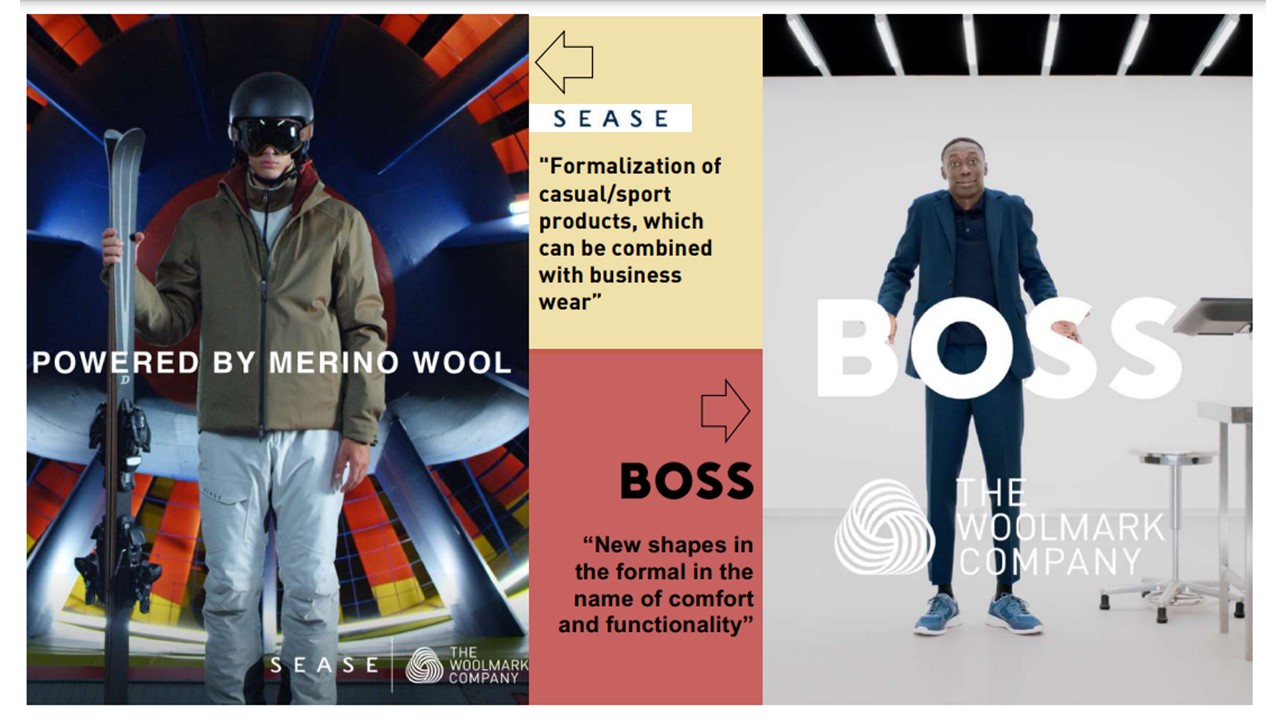
Casual and formal on a trajectory to merge? This question is emerging both in research and when looking at consumer trends for clothing and fashion. As part of the CHANGE project, one trajectory being explored…
Casual and formal on a trajectory to merge? This question is emerging both in research and when looking at consumer trends for clothing and fashion. As part of the CHANGE project, one trajectory being explored…
The Clothing Research Group, SIFO at OsloMet, has contributed to the recent Hot or Cool Institute report Unfit, Unfair, Unfashionable: Resizing Fashion for a Fair Consumption Space (download the report from Hot or Cool here).…
Consumers play an essential role in efforts to extend product lifetimes (PL) and consumers’ practices can determine how long and active lives products get. Applying the framework of Social Practice Theory, this paper argues that…
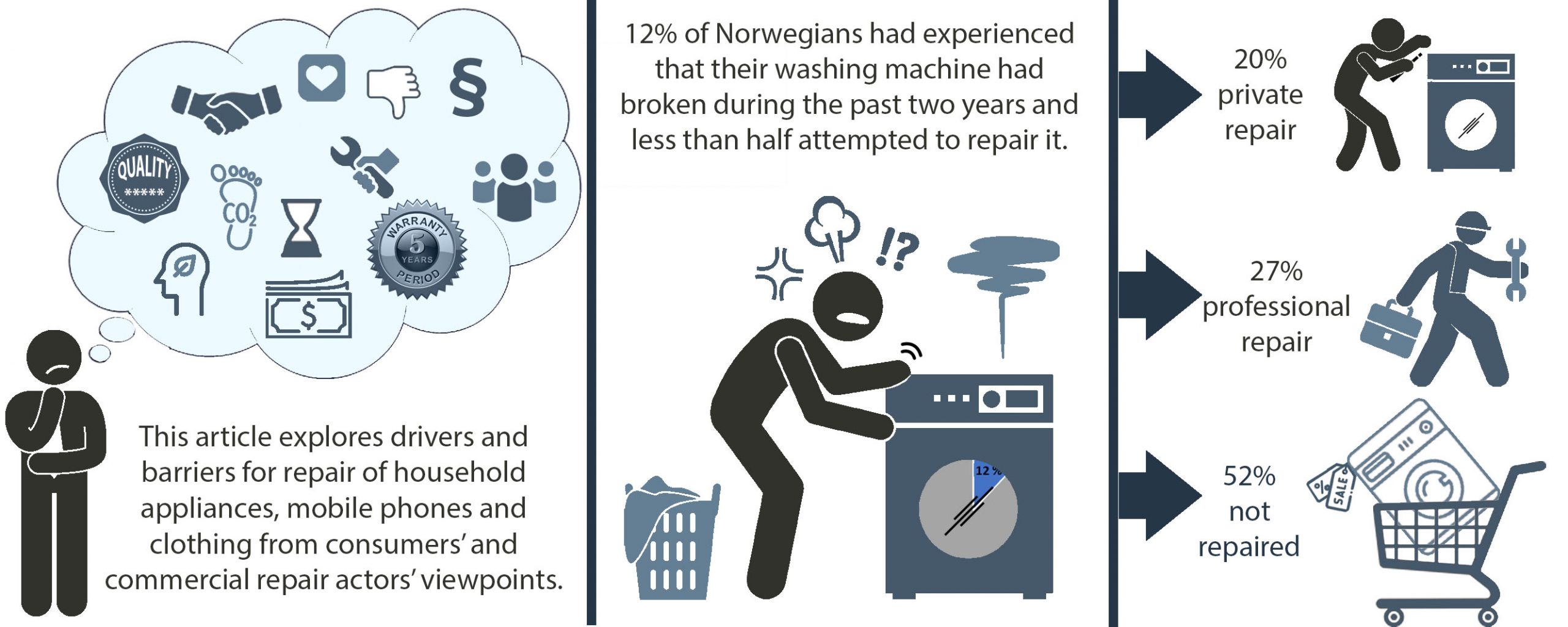
Increasing product lifespans is one of the most effective environmental strategies and therefore repair is a part of the circular economy approach that aims to keep products and materials longer in use. This article explores…

Increasing the length of clothing lifespans is crucial for reducing the total environmental impacts. This article discusses which factors contribute to the length of garment lifespans by studying how long garments are used, how many…
This article discusses laundering practices around the world including alternative methods such as washing by hand, airing, steaming, and dry-cleaning. These methods, which have received little attention in research, are often more suited to products…
This article discusses the extent it is possible to delay clothing disposal through improved design, thus reducing negative environmental impacts. This has been done by including user centered design methods into more traditional quantitative consumer…
This chapter discusses the effects of end-of-life scenarios to the life cycle assessment (LCA) calculations. Consumers’ decisions in the disposal phase of clothing are crucial from an environmental point of view, as they affect the…
The textile and clothing industry is considered as one of the most polluting industries in the world. Still, the regulation of environmental hazards connected to the industry is very limited, and much responsibility is placed…
Life cycle assessment studies on clothes, detergents and washing machines show that the use period is usually the most energy-demanding period during these products’ life cycle, even higher than production or transportation phases. Laundering practices…
This article discusses the similarities and differences in how women in two different stages of life describe the relationship between fashion and age. The analytical approach is basically discursive, based on Norwegian teenage girls’ and…